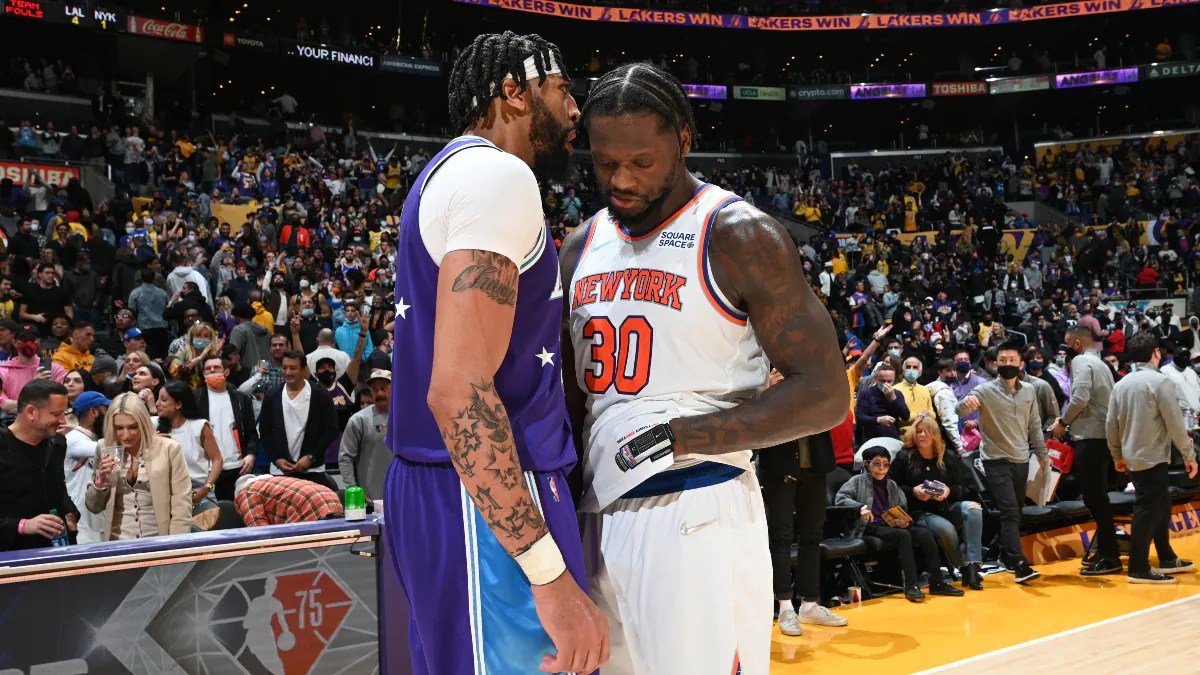
For decades, basketball fans have reveled in the clash of titans: the New York Knicks and the Los Angeles Lakers. It’s more than just a game; it’s a coast-to-coast narrative, a battle of iconic franchises etched into NBA lore. Today, we're diving deep into the trenches with a comprehensive Recent Player Performance Analysis of Knicks vs Lakers Players, dissecting the individual brilliance and team dynamics that have shaped this storied rivalry, both historically and in its most recent iterations. Forget the surface-level scores; we’re peeling back the layers to understand what truly drives performance when these two juggernauts meet.
At a Glance: The Enduring Knicks-Lakers Saga
- Lakers Hold Historical Edge: Over the long run, the Lakers boast stronger team averages in points, field goal percentage, and three-point efficiency against the Knicks.
- Individual Legends Dominate: Figures like Kobe Bryant, Shaquille O’Neal, and LeBron James for the Lakers, and Carmelo Anthony, Amar’e Stoudemire, and Patrick Ewing for the Knicks, have consistently delivered standout performances.
- Recent Shift in Momentum: While historically the Lakers have often held the upper hand, the Knicks have shown a significant surge in recent head-to-head matchups, winning 3 of the last 5 games.
- ATS Performance: The Knicks have been a perfect 100% against the spread in their last 5 matchups, indicating they’ve consistently exceeded market expectations. The Lakers have been less consistent at 60%.
- Memorable Moments: The rivalry is peppered with thrilling, high-scoring contests and nail-biting finishes, showcasing remarkable individual efforts.
A Rivalry Forged in Starlight: Unpacking the Historical Numbers
The very mention of Knicks versus Lakers conjures images of Madison Square Garden's electric energy meeting the glitz and glamour of Hollywood. This isn't just about two teams; it's about contrasting styles, fanbases, and basketball philosophies that have played out over generations. When we look at the historical statistics, a clear picture of their long-standing competition emerges.
The Knicks' Historical Impact Against the Lakers
The New York Knicks, ever the gritty East Coast warriors, have carved out their legacy with consistent effort and flashes of individual brilliance against their West Coast counterparts. Historically, the Knicks have averaged 105.6 points, 43.8 rebounds, 10.2 assists, and 7.5 steals per game when facing the Lakers. Their shooting efficiency has been solid, hitting 44.3% from the field and 36.5% from beyond the arc.
Delving into individual performances reveals the heroes who consistently rose to the occasion:
- Carmelo Anthony: A true scoring machine, Carmelo leads the Knicks with a remarkable 28.5 points per game against the Lakers. He's also the Knicks' leader in games played (23), three-pointers made (35), and minutes (844) in this matchup, a testament to his consistent presence and offensive firepower.
- Amar’e Stoudemire: Bringing a dominant inside presence, Stoudemire averaged 22.1 points and 8.5 rebounds per game, often matching the Lakers' own powerful frontcourt players.
- Patrick Ewing: The legendary center left his mark with 20.5 points and 10.3 rebounds per game. Ewing also holds the record for most wins (13) against the Lakers as a Knick, highlighting his foundational role in their successes.
- Iman Shumpert: Interestingly, Shumpert leads the Knicks in steals against the Lakers with 15, showcasing his defensive impact during his tenure.
These players exemplify the type of consistent high-level performance required to contend with a team like the Lakers. Their ability to deliver in crucial moments speaks volumes about their talent and the intensity of this rivalry.
The Lakers' Dominant Figures Against the Knicks
On the other side of the country, the Los Angeles Lakers have often presented a formidable challenge, embodying a blend of star power and offensive prowess. Historically, the Lakers have outpaced the Knicks in team averages, posting 110.3 points, 45.1 rebounds, 11.5 assists, and 8.1 steals per game. Their shooting splits are notably higher, at 47.2% from the field and an impressive 39.5% from three-point range.
The Lakers' historical dominance against the Knicks is largely attributable to a lineage of bona fide superstars:
- Kobe Bryant: "The Black Mamba" stands alone with an astounding 32.5 points per game against the Knicks. Kobe is the definitive Lakers' leader in this rivalry, holding records for most games played (34), wins (24), steals (21), three-pointers made (45), and minutes (1,244). His performances were legendary, often single-handedly carrying the team to victory.
- Shaquille O’Neal: The "Diesel" was an unstoppable force in the paint, averaging 27.1 points and 12.3 rebounds per game. His sheer physical dominance often proved too much for the Knicks' defense.
- LeBron James: Even across different eras and teams, LeBron has maintained his elite status, averaging 28.3 points and 7.5 assists per game against New York. His ability to impact the game as both a scorer and a facilitator remains unparalleled.
The disparity in these individual and team statistics underscores the Lakers' historical edge, often fueled by players who are considered some of the greatest to ever play the game. For a deeper dive into the numbers, exploring Knicks vs Lakers player stats reveals the nuances of these individual battles.
Legendary Showdowns: Games That Defined Eras
Statistics tell a story, but it's the moments within the games that truly capture the imagination. The Knicks-Lakers rivalry is rich with memorable contests that showcased incredible player performances and etched themselves into the annals of NBA history. These aren't just games; they're snippets of time where legends shone brightest.
- February 15, 2012: Lakers 92 - Knicks 91 (Overtime)
- This thrilling overtime battle saw Kobe Bryant drop 34 points, leading the Lakers to a narrow victory. On the Knicks' side, Amar’e Stoudemire responded with 32 points, demonstrating his immense scoring capability. It was a classic duel of star power, coming down to the wire.
- November 29, 2016: Lakers 129 - Knicks 123 (Double Overtime)
- One of the highest-scoring encounters in the rivalry, this double-overtime thriller was a showcase of offensive firepower. Both teams traded blows, pushing the game to two extra periods, a testament to their competitive spirit and refusal to back down.
- January 13, 2019: Lakers 119 - Knicks 112
- In this game, the Lakers' frontcourt asserted its dominance on the glass, pulling down 52 rebounds compared to the Knicks' 45. This significant rebounding advantage often dictates the pace and number of second-chance opportunities, highlighting a critical aspect of team performance.
- December 25, 2015: Lakers 111 - Knicks 106
- A Christmas Day classic, this matchup saw the Lakers exhibit superior ball movement, recording 31 assists to the Knicks' 25. High assist numbers often correlate with efficient offense and team cohesion, illustrating how effectively the Lakers were sharing the ball.
- January 10, 2017: Lakers 116 - Knicks 104
- Defensive prowess was on full display for the Lakers in this game, as they amassed 10 blocked shots compared to the Knicks' 7. Shot-blocking can deter opponents from driving to the basket and significantly alter game momentum, revealing a strong rim protection effort from the Lakers.
These games aren't just scores; they are narratives of players stepping up, strategies clashing, and the fundamental elements of basketball — scoring, rebounding, passing, and defense — being executed at their highest levels. They demonstrate that individual performances, like Kobe's scoring or the Lakers' team rebounding, often tip the scales in these high-stakes matchups.
Head-to-Head Dynamics: The Modern Era and Recent Shifts
While historical context is invaluable, basketball is a game of constant evolution. Rosters change, coaching philosophies adapt, and team strengths fluctuate. Looking at the more recent head-to-head records provides a crucial lens into the current state of player performance and team dynamics.
Since 2005, these two storied franchises have met 45 times. In this modern stretch, the Lakers have edged out the Knicks with 25 wins to New York's 20. The average points per game during this period reflects a slight Lakers advantage, 107.9 PPG for them versus 103.8 PPG for the Knicks. This indicates that over the past two decades, the Lakers have generally maintained a statistical edge.
The Last Five Games: A Changing Tide?
However, the most recent five matchups paint a fascinatingly different picture, suggesting a potential shift in momentum and performance for both sets of players:
- Knicks Record: 3-2 (Wins-Losses)
- Knicks Average Points Per Game (PPG): 116.2
- Knicks Opponent Points Per Game (OPP PPG): 90.2
- Knicks Against The Spread (ATS): 100.0%
The Knicks' performance in their last five encounters is nothing short of impressive. A 3-2 record indicates they've taken the majority of these recent games. Even more striking are their offensive and defensive numbers: averaging 116.2 points while holding opponents to a stingy 90.2 points. This 26-point differential per game is phenomenal and points to a team firing on all cylinders, both offensively and defensively. Their 100% ATS record means they've consistently exceeded expectations, performing better than oddsmakers predicted. This tells us that individual players on the Knicks roster are likely performing above their perceived capabilities, contributing to a strong overall team effort. - Lakers Record: 2-3 (Wins-Losses)
- Lakers Average Points Per Game (PPG): 118.0
- Lakers Opponent Points Per Game (OPP PPG): 116.0
- Lakers Against The Spread (ATS): 60.0%
The Lakers' recent performance against the Knicks tells a different story. With a 2-3 record, they've lost more often than they've won in this specific matchup. While their average points per game (118.0) is actually higher than the Knicks' in these five games, their opponent points per game (116.0) is also significantly higher. This slim 2-point differential suggests that while their offense is potent, their defense has been less consistent in stopping the Knicks. Their 60% ATS record is respectable, but it falls short of the Knicks' perfect mark, indicating that while they sometimes cover, they're not consistently exceeding expectations when facing New York.
This recent data highlights that individual players on the Knicks have stepped up collectively to form a more cohesive and defensively dominant unit in these particular matchups. For the Lakers, despite strong offensive outings, their defensive efforts against New York have been a notable area where their players have struggled to contain the Knicks' attack.
Beyond the Box Score: Unpacking Key Metrics for Player Impact
While points, rebounds, and assists are the headliners, a deeper player performance analysis of Knicks vs Lakers players requires scrutinizing efficiency, defensive impact, and overall game control. These metrics reveal underlying strengths and weaknesses that traditional stats might overlook.
Field Goal and Three-Point Percentage: Efficiency Under Pressure
The historical data shows the Lakers averaging higher field goal (47.2% vs. 44.3%) and three-point (39.5% vs. 36.5%) percentages against the Knicks. This isn't just about making shots; it speaks to shot selection, offensive schemes, and the ability of players to convert under duress.
- Lakers' Offensive Prowess: Higher percentages suggest Lakers players historically found more efficient shots or simply possessed superior individual shooting talent, particularly from beyond the arc. Players like Kobe Bryant, with his remarkable 32.5 PPG on often contested shots, exemplified this ability to create and convert. LeBron James also consistently delivers high-percentage looks for himself and others.
- Knicks' Grit: While their percentages are lower, it doesn't diminish the impact of players like Carmelo Anthony, who might have taken (and made) more difficult shots to generate offense for his team. This often reflects a different offensive philosophy, perhaps less reliant on systemic efficiency and more on individual shot-making.
Rebounds, Assists, and Steals: The Engine Room of the Game
These "hustle stats" are often where games are won and lost, showcasing player engagement beyond scoring.
- Rebounding Battles: The Lakers' historical edge in rebounding (45.1 RPG vs. 43.8 RPG) against the Knicks, alongside specific games like January 13, 2019, where they outrebounded New York 52-45, highlights their ability to control possessions. Players like Shaquille O’Neal and Patrick Ewing, both averaging over 10 RPG in this rivalry, were critical in these battles, impacting second-chance points and limiting opponent opportunities. A dominant rebounder often means more possessions for their team, directly impacting their chance to score.
- Playmaking and Ball Movement: The Lakers also hold a historical advantage in assists (11.5 APG vs. 10.2 APG), exemplified by their 31 assists on December 25, 2015. This points to strong collective playmaking and better ball movement among Lakers players, enabling higher-percentage shots and a more fluid offense. LeBron James's 7.5 APG against the Knicks is a prime example of a superstar dictating the offense and creating for teammates.
- Defensive Disruptions: With 8.1 steals per game historically compared to the Knicks' 7.5, the Lakers have also shown a slight edge in defensive disruption. Kobe Bryant leading the Lakers with 21 steals and Iman Shumpert leading the Knicks with 15 illustrate individual players' abilities to anticipate passes, strip the ball, and ignite fast breaks. These turnovers can be game-changers, revealing players who are highly active and aware on the defensive end.
Blocks: Protecting the Paint
The Lakers' 10 blocks on January 10, 2017, against the Knicks' 7, showcases their capacity for rim protection. Elite shot-blockers like Shaquille O’Neal (though his specific block stats for this rivalry aren't provided, his reputation precedes him) can alter opponent offensive strategies, deterring drives and forcing less efficient shots. This defensive presence from specific players has a ripple effect, allowing perimeter defenders to play more aggressively.
Analyzing these metrics allows us to move beyond mere scoring and appreciate the all-around impact of players from both teams, revealing why certain players and teams have historically performed the way they have in this classic matchup.
The Evolving Narrative: What Recent Trends Tell Us About Current Players
The shift observed in the last five games between the Knicks and Lakers isn't just a statistical blip; it reflects a changing landscape of player performance, team chemistry, and strategic execution. While historical giants like Kobe and Carmelo set the stage, recent matchups highlight the capabilities of current rosters.
The Knicks' Defensive Ascendancy and Offensive Balance
The Knicks' recent 3-2 record with a formidable 116.2 PPG and an outstanding 90.2 OPP PPG against the Lakers points to a few critical performance aspects from their current player group:
- Defensive Identity: Holding a high-powered Lakers offense to an average of just 90.2 points in recent games is a testament to the Knicks' commitment to defense. This isn't just one player; it's a collective effort. It implies strong individual defensive matchups, disciplined rotations, and effective communication. Players are buying into a defensive scheme that actively frustrates the Lakers' primary scorers.
- Balanced Scoring: While no single current Knick may match the individual scoring volume of a prime Carmelo Anthony against the Lakers, the recent high PPG suggests a balanced attack. This means multiple players are contributing consistently, making it harder for the Lakers to key in on one or two offensive threats. This spread of offensive responsibility can be more resilient and harder to defend over a series of games.
- Consistent Effort: The 100% ATS record indicates that the Knicks' players are consistently outperforming expectations. This points to a high level of effort, focus, and perhaps a strong home-court advantage that fuels their intensity. When players exceed projections, it often suggests a deep understanding of their roles and an ability to execute under pressure.
The Lakers' Offensive Firepower vs. Defensive Vulnerabilities
The Lakers' 2-3 recent record, despite an impressive 118.0 PPG, coupled with a high 116.0 OPP PPG, paints a picture of a team that can score but struggles to stop their opponent in this specific rivalry.
- Star-Powered Offense: The 118.0 PPG indicates that the Lakers' current stars and offensive players are still highly effective at putting points on the board. Whether through individual brilliance (like LeBron James's continued impact) or well-designed plays, their offensive talent is undeniable. The question, however, is whether this offense is efficient enough to consistently win if the defense falters.
- Defensive Gaps: The 116.0 OPP PPG is a concern. It suggests that while Lakers players are performing well offensively, there are defensive breakdowns against the Knicks. This could be due to individual defensive matchups, rotational lapses, or a struggle to contain the Knicks' evolving offensive attack. This is where specific player matchups and individual defensive assignments become critical. Are the Lakers' perimeter defenders getting screened off too easily? Are their bigs protecting the rim adequately against drives? The numbers suggest there's room for improvement on the defensive end when facing New York.
- Inconsistent ATS: A 60% ATS record, while not poor, indicates inconsistency. It means the Lakers' players sometimes meet or exceed expectations against the spread, but not always. This can be a sign of variance in their performance or perhaps key players having off-nights that affect the team's overall outcome.
Ultimately, the recent trends highlight that the Knicks, through strong collective defense and balanced contributions, have found a formula to challenge and often overcome the Lakers. The Lakers, while still potent offensively, face questions about their defensive consistency when matched up against New York's current lineup. This ebb and flow of performance is what makes the analysis of this rivalry so compelling.
Forecasting Future Clashes: Who Holds the Edge Now?
Predicting the outcome of any NBA game is a fool's errand, especially when dealing with two historical powerhouses. However, based on our in-depth player performance analysis of Knicks vs Lakers players, we can identify key factors that will likely dictate future matchups and where each team might find an edge.
The Knicks' Blueprint for Success
For the Knicks to continue their recent success against the Lakers, their current players must double down on the strategies that have worked:
- Sustained Defensive Intensity: The 90.2 OPP PPG in their last five games is a blueprint. Individual players must continue to commit to strong on-ball defense, smart rotations, and aggressive rebounding. Disrupting the Lakers' offensive flow and forcing difficult shots will be paramount.
- Balanced Offensive Production: Relying on one or two stars can be effective, but a diversified attack makes a team harder to defend. Current Knicks players who consistently contribute across the board—whether through scoring, playmaking, or offensive rebounding—will be essential to maintaining their recent scoring averages.
- Capitalizing on Home Court: While not always a factor, the energy of Madison Square Garden can significantly boost player performance. When playing at home, the Knicks must leverage this atmosphere to fuel their intensity and push their performance levels even higher.
The Lakers' Path to Reasserting Dominance
For the Lakers to turn the tide and reclaim their historical dominance against the Knicks, they need their players to make specific adjustments:
- Defensive Recommitment: Despite their offensive firepower, the Lakers' players must find ways to consistently improve their defensive effort against the Knicks. This means better individual defense, more cohesive team defense, and addressing any matchups where they are vulnerable. Containing the Knicks' balanced attack will require heightened focus and communication.
- Maximizing Star Power While Enhancing Role Players: While LeBron James and other Lakers stars will always deliver, the surrounding cast needs to consistently step up. Whether it's knocking down open shots, providing defensive support, or grabbing crucial rebounds, every player's performance matters in tight contests.
- Efficiency from Beyond the Arc: Historically, the Lakers have had a higher 3P% against the Knicks. Recapturing this efficiency will be vital. Players need to convert open looks and stretch the floor to create driving lanes for their star players.
The Enduring Appeal
The rivalry between the Knicks and the Lakers isn't just about the current rosters; it's about the echoes of legends like Kobe Bryant and Carmelo Anthony, the memories of thrilling overtime battles, and the constant battle for supremacy between two of the NBA's most iconic franchises. The recent shifts in player performance suggest that while the Lakers hold a historical edge, the Knicks have found a renewed competitive spirit and strategic effectiveness. As the league continues to evolve, so too will the narratives woven between these two teams. Every game is a new chapter, a fresh opportunity for players to etch their names into this storied rivalry, reminding us why this matchup remains appointment viewing for basketball enthusiasts worldwide.